Understanding Epoxy Flooring: An Overview
In the realm of home and commercial improvement, epoxy flooring stands out as a durable and visually appealing option. This flooring solution is particularly popular due to its resilience and the versatility it offers in terms of design. As homeowners and business owners alike look for flooring that can withstand heavy use while still providing aesthetic appeal, epoxy flooring has become a prime choice. In this article, we will delve into the various benefits of epoxy floors, with a particular emphasis on the use of VOC-free materials, ensuring a safe and environmentally friendly application. For more insights into the best options available, ElevateEpoxyFlooring.com serves as an excellent resource.
What is Epoxy Flooring?
Epoxy flooring is a type of synthetic resin that creates a hard, durable surface when applied to concrete. Composed of a mixture of resins and hardeners, it forms a chemical bond with the substrate, resulting in a smooth, glossy finish that can withstand wear and tear. Popular in garages, warehouses, and even upscale residential settings, epoxy flooring is available in various finishes and colors, allowing for customization to suit any preference.
Benefits of Using VOC-Free Materials
One of the most significant advantages of modern epoxy flooring is the availability of VOC-free materials. Volatile Organic Compounds (VOCs) are chemicals commonly found in many paints and coatings, which can emit harmful vapors that affect indoor air quality. By choosing epoxy flooring made with VOC-free compounds, homeowners contribute to a healthier living environment while still enjoying the benefits of a durable and resilient surface.
Key Characteristics of High-Quality Epoxy Floors
- Durability: Epoxy floors are highly resistant to impacts, chemicals, and abrasions, making them suitable for high-traffic areas.
- Adhesion: Epoxy bonds strongly to concrete, ensuring it won't peel or chip under duress.
- Customizability: Various colors, textures, and finishes allow homeowners to create a personalized flooring solution.
- Ease of Maintenance: Smooth surfaces make cleaning easy, requiring only regular sweeping and occasional mopping.
- Eco-Friendliness: The use of VOC-free materials ensures that installations are safer for both residents and the environment.
Choosing the Right Color: The Flakes Color Chart
When it comes to selecting the perfect epoxy floor color, the flakes color chart offers a diverse range of options. Many homeowners feel overwhelmed by the plethora of choices available, yet this guide can simplify the process. The right color can enhance the aesthetics of your space, complement your decor, and even influence the perception of space.
Popular Flake Options for Homeowners
Among the most sought-after flake options are those that mimic natural stones or add a pop of color to a neutral base. Common choices include:
- Gray Stone: A versatile option that works well with many design styles.
- Tan and Beige: These earth tones create a warm and inviting atmosphere.
- Bold Colors: For those looking to make a statement, bright blues, reds, and greens can be incorporated into the design.
How to Match Flake Colors with Room Themes
Creating harmony between the floor and the room theme is essential for a cohesive design. Consider the following tips when matching flake colors:
- Assess Existing Elements: Look at your furniture, wall colors, and decorative pieces to find hues that complement them.
- Use Color Theory: Complementary colors can enhance the visual appeal of your flooring.
- Consult with Professionals: Sometimes, a designer’s touch can elevate the overall aesthetic of a space.
Creating Custom Color Combinations
Don't hesitate to create a custom blend of flakes that represent your style. Mixing different colors and sizes of flakes can result in a one-of-a-kind look. Experimenting with contrasts can provide an eye-catching design, ensuring that your floor not only serves its purpose but also acts as a focal point.
Application Techniques: Ensuring a Perfect Finish
Proper installation is crucial for maximizing the lifespan and effectiveness of epoxy flooring. Following methodical application techniques will ensure you achieve a flawless finish while avoiding common pitfalls.
Preparing Your Space for Installation
Preparation involves cleaning the existing concrete surface thoroughly, repairing any cracks, and ensuring that the area is free from moisture. This foundational step is critical for adhesion and the overall success of the application.
Step-by-Step Application Guide
- Surface Preparation: Clean the concrete, fill cracks, and grind or etch the surface as necessary.
- Mixing Epoxy: Follow manufacturer instructions for blending resin and hardener.
- Application: Use a roller to apply the mixture evenly across the surface.
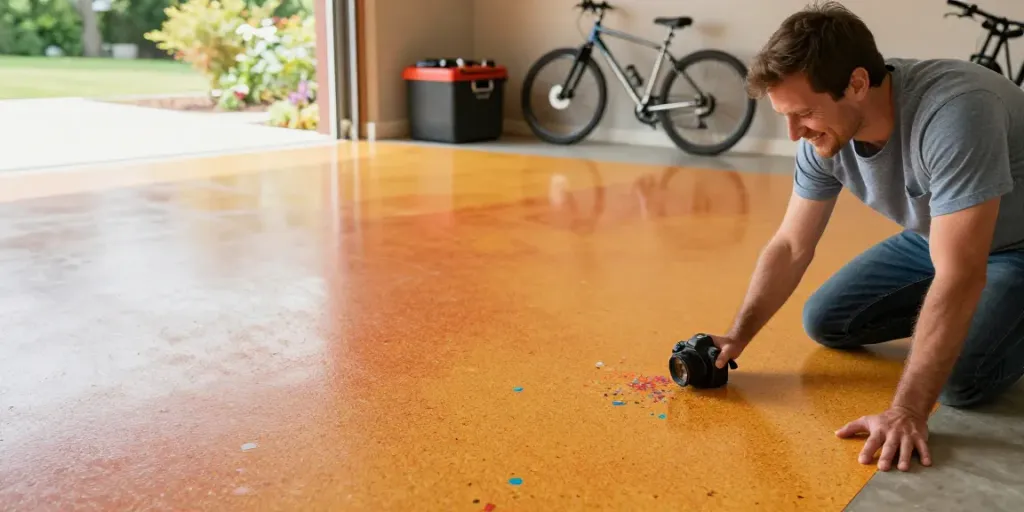
- Flake Broadcast: Sprinkle flakes on the wet epoxy layer for added texture and color.
- Top Coat: After the base coat cures, apply a clear topcoat for additional protection.
Common Mistakes to Avoid During Installation
While the installation of epoxy flooring can seem straightforward, many common mistakes can affect the final outcome. Avoid the following errors:
- Skipping Preparation: Inadequate surface preparation can lead to poor adhesion and early failure of the floor.
- Incorrect Mixing Ratios: Always follow manufacturer guidelines for mixing epoxy products.
- Poor Ventilation: Ensure that the installation area is well-ventilated to promote cure time and reduce fume exposure.
Maintaining Your Epoxy Floor for Longevity
Even though epoxy floors are designed for durability, regular maintenance is key to ensuring their longevity. Simple practices can help preserve the floor's appearance and functionality.
Best Practices for Regular Cleaning
Start with routine cleaning, which involves sweeping and mopping with a mild detergent. Avoid abrasive cleaners, as they can scratch the surface. For more stubborn stains, a soft scrub brush can be used without damaging the epoxy.
Repairing Damage and Touch-ups
In the event of scratches or chips, quick repair can prevent further damage. Epoxy repair kits are available for simple fixes. For significant wear, consider applying a new topcoat to refresh the appearance.
When to Consider Professional Help
While many homeowners undertake upkeep on their epoxy floors, certain scenarios require professional intervention. If you notice extensive cracking, peeling, or if the floor appears discolored despite regular maintenance, consulting an epoxy flooring specialist is advisable.
Future Trends in Epoxy Flooring: What to Expect in 2026
The epoxy flooring industry is continuously evolving, embracing new materials and practices to meet consumer demands. Understanding these trends can be beneficial for homeowners considering upgrades or new installations.
Innovative Materials and Techniques on the Horizon
As technology progresses, expect to see innovations in epoxy formulations that enhance durability and ease of application. New materials may offer improved resistance to UV exposure and environmental influences, promising longer-lasting results.
Eco-Friendly Practices Shaping the Industry
As sustainability becomes a priority for consumers, manufacturers are focusing on eco-friendly practices. Expect to see a rise in the use of recycled materials and processes that minimize environmental impact.
Expert Predictions for Home Decor Trends
Design experts anticipate a shift towards integrating natural aesthetics with artificial materials. Biophilic designs that bring natural elements indoors are becoming increasingly popular, influencing color choices and textures in epoxy flooring.
Frequently Asked Questions
What are the advantages of epoxy floors?
Epoxy floors are cost-effective, durable, and customizable. They offer a professional appearance with ease of maintenance and resistance to stains and wear.
How long does epoxy flooring last?
With proper installation and maintenance, epoxy flooring can last anywhere from 10 to 20 years, depending on the amount of foot traffic and the care it receives.
Can I install epoxy flooring myself?
While DIY installation is possible, it requires careful preparation and adherence to guidelines. Hiring a professional can guarantee a better outcome and save you time.
What are VOCs, and why are they important?
VOCs, or Volatile Organic Compounds, are chemicals that can be harmful when inhaled. Utilizing VOC-free materials in epoxy flooring enhances indoor air quality and safety.
How do I choose a contractor for installation?
Look for licensed, insured professionals with strong reviews and references. Ask about their experience with epoxy flooring specifically to ensure they understand the unique requirements of the application.