Understanding the Importance of Pond Plants
Pond plants play a pivotal role in creating a healthy and vibrant aquatic ecosystem. Not only do they contribute to the aesthetic beauty of a pond, but they also serve essential functions that enhance water quality, reduce algae growth, and provide habitat for wildlife. When exploring options, Buy Pond Plants Online to discover a variety of species tailored for your pond's specific needs.
Why Buy Pond Plants Online?
Purchasing pond plants online offers convenience and variety that local garden centers may not provide. With just a few clicks, you can access a wide selection of aquatic plants suited for different pond styles and conditions. Online suppliers often provide detailed information on plant species, growth requirements, and care tips, ensuring you choose the right plants for your aquatic environment.
The Role of Aquatic Plants in Pond Ecosystem
Aquatic plants are integral to maintaining the ecological balance of your pond. They supply oxygen, provide shade, and serve as food sources for various aquatic life forms. Additionally, they help filter water, absorbing excess nutrients that could otherwise promote algae blooms. This natural filtration keeps your pond water clear and healthy.
Effects of Healthy Vegetation on Water Quality
Healthy vegetation prevents nutrient overload by utilizing the same nutrients that algae thrive on. An underwater garden of plants can help stabilize pH levels, reduce toxins, and improve overall water clarity. The absence of plants can lead to poor water quality and unstable ecosystems, making it essential to incorporate plants into your pond design.
Types of Pond Plants to Consider
Oxygenating Pond Plants for Clear Water
Oxygenating plants are submerged species that thrive underwater and play a crucial role in maintaining aquatic life. They absorb carbon dioxide and release oxygen, promoting a healthy environment for fish and other aquatic organisms. Popular choices include Hornwort and Elodea, which effectively combat algae by absorbing excess nutrients.
Marginal Plants: Enhancing Aesthetic Appeal
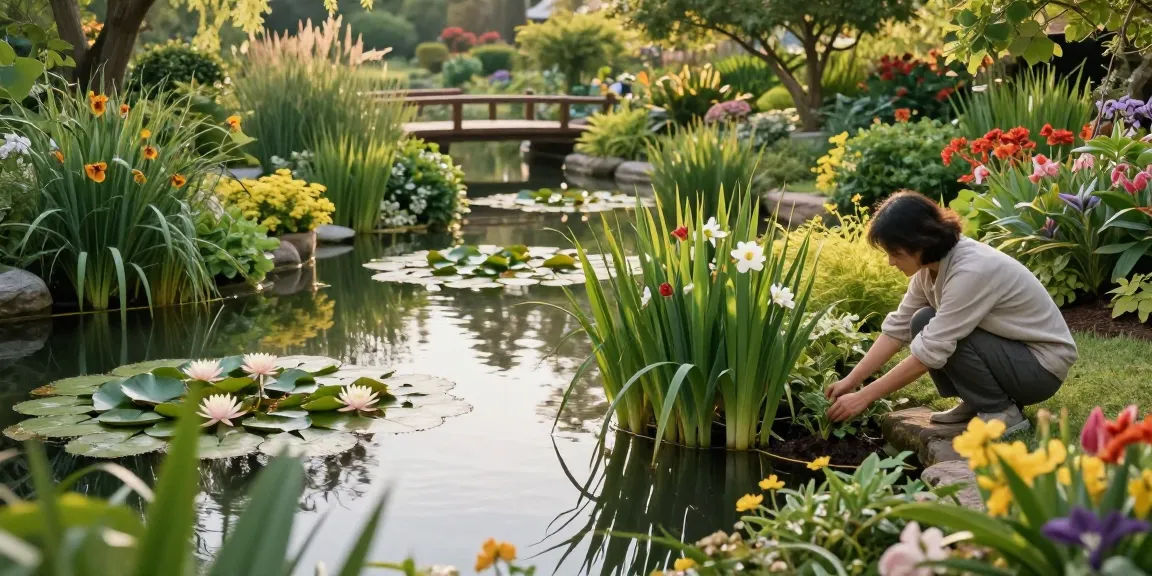
Marginal plants, positioned on the edges of ponds, create a lush border that softens hard edges and adds visual appeal. They grow in shallow water and can tolerate varying moisture levels, making them versatile for various pond settings. Species like Blue Flag Iris and Marsh Marigold not only enhance beauty but also provide wildlife habitats.
Floating Plants: Natural Shade Providers
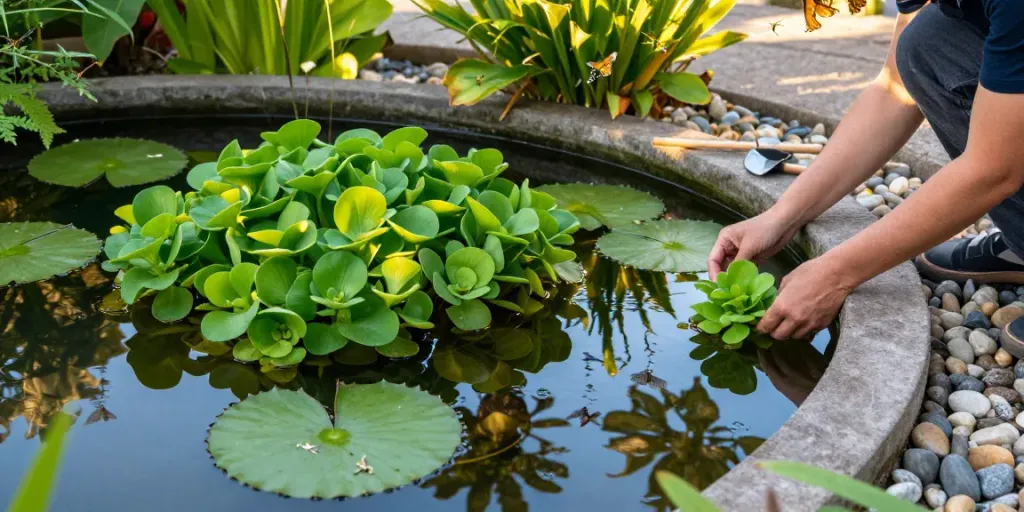
Floating plants, such as Water Hyacinth and Water Lettuce, are excellent for providing shade and minimizing sunlight, thereby limiting algae growth. These plants float on the surface, their roots dangling in the water, absorbing nutrients directly and preventing excessive evaporation. They effectively create a balanced environment for aquatic life.
Buying Pond Plants Online: A Step-by-Step Guide
Choosing Reputable Suppliers
When buying pond plants online, selecting a reputable supplier is critical. Look for companies that specialize in aquatic plants, offer clear descriptions of plant conditions, and provide detailed care instructions. Customer reviews can also give insight into the quality and health of plants received.
Understanding Planting Instructions and Care
Each type of pond plant has specific planting depth and care requirements. Adhering to these guidelines ensures successful establishment and growth. For instance, floating plants require no soil, while marginals might need to be in shallow water. Always check the planting instructions provided by the supplier before placing your order.
Comparing Prices and Plant Varieties
Prices can vary significantly between different suppliers and plant varieties. Before making a purchase, compare the costs and ensure you're getting plants that meet your needs. Consider the growth rate, seasonality, and your pond's conditions to make informed choices.
Common Challenges When Planting Pond Plants
Identifying and Preventing Algae Issues
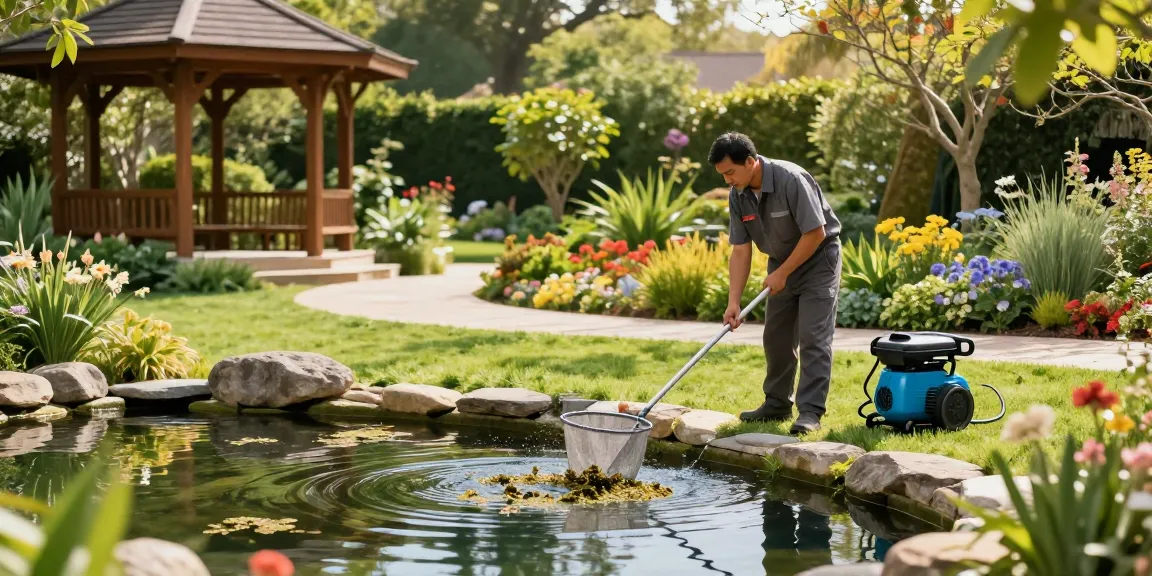
Algae can be a significant challenge in pond management. To combat algae, ensure you have a balanced mix of plants that absorb nutrients and provide shade. Regular maintenance, such as removing excess organic matter and monitoring nutrient levels, can help minimize algae growth.
Managing Plant Overgrowth: Solutions and Strategies
While pond plants are essential for ecosystem balance, overgrowth can lead to problems. Regular trimming and dividing plants can help control their spread and maintain a healthy balance. Additionally, using planting baskets can make it easier to manage plant growth and reposition them as needed.
Understanding Seasonal Plant Growth Cycles
Being aware of seasonal growth cycles is crucial for successful pond management. Many aquatics have dormant periods during winter, which can affect your pond's aesthetics and health. Understanding these cycles allows for better planning for planting, maintenance, and seasonal adjustments.
Future Trends in Pond Plant Choices for 2026
Emerging Aquatic Plant Varieties for Modern Ponds
As interest in sustainable gardening grows, new plant varieties and hybrids are emerging. These are specifically bred to enhance resilience against diseases and pests. Keep an eye on innovations in breeding that may offer improved options for both aesthetics and functionality in pond ecosystems.
Innovative Online Shopping Solutions for Pond Enthusiasts
The online shopping experience for pond plants continues to evolve. Look for innovative platforms that offer virtual consultations, helping you select the right plants for your specific pond conditions. Additionally, subscription services that deliver seasonal plants can simplify the process for busy pond enthusiasts.
Expert Insights on Sustainable and Local Sourcing
Sustainable sourcing of pond plants is becoming increasingly critical. Experts recommend purchasing plants that are native to your region, as they are better adapted to local conditions and require less maintenance. Support for local nurseries not only ensures plant health but also promotes biodiversity.