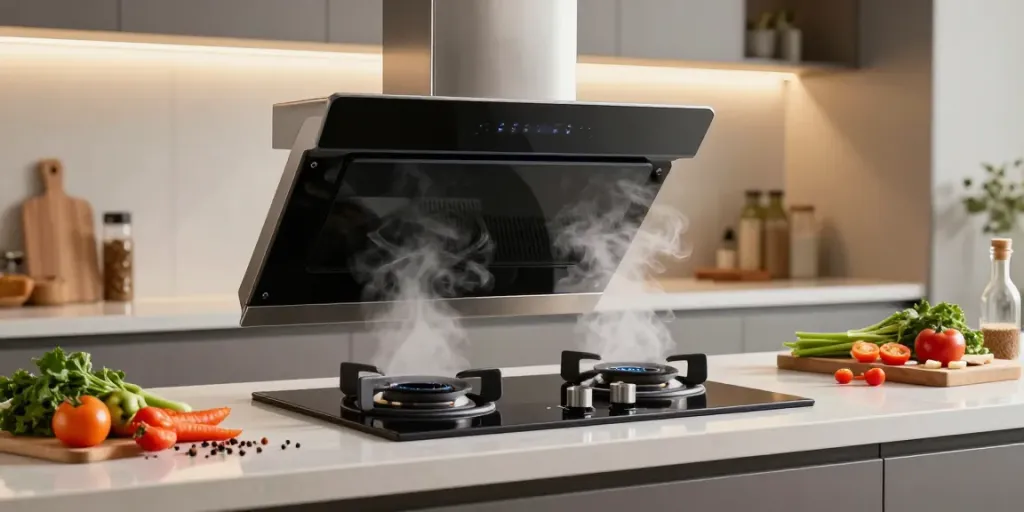
Understanding the Benefits of an Extractor Hob
If you're looking to enhance your kitchen's functionality and aesthetics, an extractor hob might be the ideal solution. This innovative kitchen appliance seamlessly combines cooking and ventilation, providing a cleaner cooking environment while maintaining the design integrity of your space. As you explore the features and advantages of extractor hobs, you’ll discover how these systems can significantly modernize your kitchen experience.
What is an Extractor Hob?
An extractor hob, also known as a venting hob, is a cooking unit that integrates an extraction system within the cooking surface itself. Unlike traditional hobs, which require a separate extractor fan or hood, these hobs capture steam, smoke, and odours right at the source. This innovation not only saves space but also enhances the overall efficiency of cooking and ventilation.
Key Advantages of Using an Extractor Hob
- Space-Saving Design: With built-in ventilation, extractor hobs eliminate the need for bulky overhead hoods, making them perfect for small kitchens.
- Improved Air Quality: By removing smoke and odours directly from the cooking area, these hobs contribute to a fresher kitchen environment.
- Enhanced Aesthetics: Their sleek design aligns with modern kitchen trends, providing a streamlined look without sacrificing functionality.
- Energy Efficiency: Many extractor hobs utilize advanced technology to reduce energy consumption while maintaining powerful extraction capabilities.
Energy Efficiency and Environmental Impact
As sustainability becomes a priority in kitchen design, extractor hobs offer an eco-friendlier alternative to traditional ventilation systems. By utilizing energy-efficient motors and designs, they require less power and reduce greenhouse gas emissions—helping you cook responsibly without compromising on performance.
Choosing the Right Extractor Hob for Your Kitchen
Selecting the perfect extractor hob involves understanding your specific needs and kitchen layout. Whether you require a compact 39cm model or a spacious 83cm version, each choice comes with unique features that cater to various culinary practices.
Sizes and Models: 39cm, 59cm, and 83cm
- 39cm Models: Ideal for limited spaces, these compact hobs are perfect for small apartments or minimalist kitchens.
- 59cm Models: Offering a balance between size and functionality, these hobs suit average-sized kitchens and family cooking.
- 83cm Models: Best for those who cook frequently or for gatherings, these hobs provide ample cooking space with powerful extraction features.
Features to Look for in an Extractor Hob
When choosing your extractor hob, consider essential features such as:
- Extraction Rate: Measured in cubic meters per hour (m³/h), this indicates how effectively the hob can eliminate smoke and odours.
- Filter Type: Options include ducted systems, which vent air outside, or recirculating systems that use charcoal filters to clean the air.
- Control Options: Look for intuitive controls, including touch, gesture, and remote options for ease of use.
- Cooking Zones: Choose a hob with flexible cooking zones that can accommodate different pot sizes.
Comparative Analysis of Ducted vs. Recirculating Systems
When deciding between ducted and recirculating extractor hobs, consider their respective advantages:
- Ducted Systems: These connect to an external venting system, providing more effective air quality control by expelling air outside.
- Recirculating Systems: Best for homes where ducting isn’t feasible, these systems filter and return air into the kitchen. While they may require more frequent filter changes, they offer flexibility in installation.
Installation and Maintenance of Extractor Hobs
Proper installation and maintenance are crucial for maximizing the performance of your extractor hob. A detailed understanding of the installation process will ensure optimal functionality and longevity of your appliance.
Step-by-Step Installation Guide
- Choose the right location based on your kitchen layout, ensuring proximity to power sources.
- Follow the manufacturer's guidelines for cutting the countertop and making necessary adjustments.
- Connect the ductwork or ensure filter placement is secured if using a recirculating system.
- Test the hob before finalizing the installation to confirm proper airflow and functionality.
Best Practices for Maintenance and Care
Maintaining your extractor hob involves regular cleaning and timely filter replacements. Follow these practices:
- Clean the surface with a suitable cleaner to avoid residue buildup.
- Replace charcoal filters every 6-12 months, depending on usage.
- Inspect and clean the internal components periodically to prevent clogs.
Common Installation Pitfalls to Avoid
To ensure a successful installation, avoid these common mistakes:
- Ignoring local building codes related to ventilation systems.
- Failing to calculate the correct ducting size for your cooking needs.
- Underestimating the importance of proper power connections.
Extractor Hob vs. Traditional Cooker Hood
As homeowners evaluate modern kitchen technologies, it is essential to understand the differences between extractor hobs and traditional cooker hoods. Each system has its unique benefits and drawbacks that can impact your cooking experience.
Pros and Cons of Each System
- Extractor Hobs:
- Traditional Cooker Hoods:
Performance Comparison: Extraction Efficiency
When evaluating performance, extractor hobs typically provide efficient extraction directly at cooking level, minimizing smoke and odour spread. Traditional hoods, however, can often extract at a higher volume, making them suitable for heavy-duty cooking.
Cost Considerations for Homeowners
Analyzing the costs associated with both systems is crucial. While extractor hobs may have a higher initial investment, they often save on installation costs and kitchen redesign, providing long-term value.
Future Trends in Kitchen Ventilation Technology
The kitchen technology landscape is evolving quickly, and extractor hobs are at the forefront of these transformations. As we look ahead, several trends are shaping the future of kitchen ventilation.
Innovative Features to Expect in 2026
Emerging technologies in extractor hobs are set to include:
- Smart Integration: Advanced models may offer compatibility with smart home systems, allowing for remote control and monitoring.
- Enhanced Sensors: Future models will likely include sensors that adjust fan speed based on cooking intensity automatically.
- Improved Energy Efficiency: Continued advancements will lead to even more energy-efficient systems that minimize environmental impact.
Smart Home Integration for Extractor Hobs
With the rise of smart home technology, extractor hobs are becoming increasingly equipped with features that allow users to control their ventilation via smartphones or smart assistants, enhancing convenience and user experience.
Expert Insights on Evolving Kitchen Standards
Industry experts predict that as consumers become more environmentally conscious, extractor hobs will evolve to incorporate sustainable technologies that align with modern kitchen standards.
Are Extractor Hobs Worth the Investment?
The value of extractor hobs extends beyond their initial purchase price. With the benefits of improved air quality, space-saving designs, and energy efficiency, they often provide significant long-term savings and enhanced cooking experiences.
Do Extractor Fans in Hobs Work?
Extractor fans integrated into hobs are effective in reducing smoke and odours. Their placement allows for immediate capture of cooking emissions, promoting a healthier kitchen environment.
What is a Venting Hob?
A venting hob refers to a specific type of extractor hob designed to vent air either outdoors via ducting or internally through filters, ultimately improving kitchen air quality.
How Can an Extractor Hob Save Money?
By reducing kitchen odours and maintaining better air quality, extractor hobs can lead to less reliance on air purifiers and improved energy efficiency, ultimately saving you money over time.