Understanding the Importance of Pond Maintenance
Pond maintenance is often overlooked, yet it carries significant importance for both aesthetics and ecological balance. A well-maintained pond not only enhances the beauty of a garden but also contributes to the health of aquatic life within it. Understanding the core components of pond maintenance, including regular cleaning, can dramatically affect its longevity and the quality of the water and wildlife. When exploring options, Pond Cleaning Surrey provides comprehensive insights into the pivotal role of cleaning services.
Why Pond Cleaning Should Be a Priority?
Regular pond cleaning is essential in preventing issues that can escalate into serious problems. Debris and organic matter, such as leaves and algae, can accumulate, leading to deteriorating water quality. This accumulation may cause problems such as stagnant water, which can become a breeding ground for pests and diseases. Furthermore, neglecting this important aspect of pond maintenance can lead to costly repairs or even necessitate complete restoration.
Benefits of Regular Pond Maintenance
Investing time and resources into regular pond maintenance yields several benefits:
- Enhanced Aesthetic Appeal: A clean pond complements the surrounding landscape, making outdoor spaces more inviting.
- Improved Water Quality: Regular cleaning helps maintain clear water and a balanced ecosystem, protecting fish and plants.
- Energy Efficiency: By preventing overgrowth, you ensure that pumps and filters operate more effectively, saving energy and costs.
- Wildlife Support: A healthy pond can support a diverse range of life, from fish to amphibians and birds.
Common Misconceptions About Pond Care
Many homeowners harbor misconceptions about pond cleaning and maintenance. One common myth is that a pond will take care of itself. While ecosystems can be resilient, they require human intervention to stay healthy. Another misconception is that all pond-cleaning procedures are the same. Different ponds have unique needs based on their size, location, and the wildlife they host. Understanding these distinctions is crucial for effective management.
Essential Tools for Effective Pond Cleaning
Must-Have Equipment for Pond Professionals
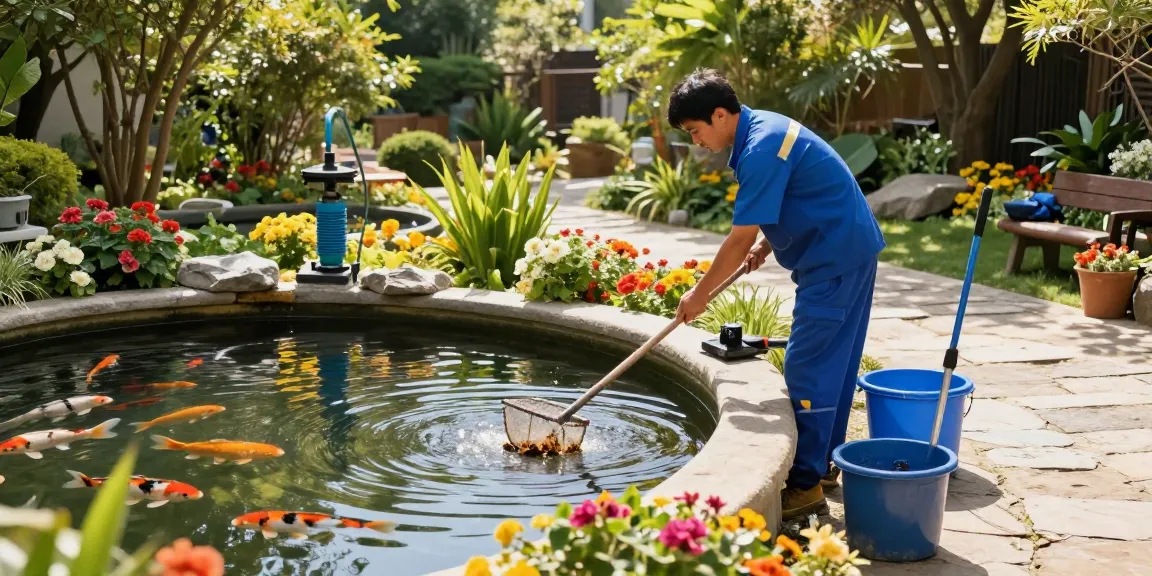
Professional pond cleaning requires specialized tools to ensure efficient and thorough maintenance. Essential equipment includes:
- Pond Net: Ideal for scooping out debris such as leaves and dead plant material.
- Submersible Pump: Effective for removing excess water and managing water levels during cleaning.
- Pressure Washer: Useful for removing algae from pond edges and hard surfaces.
- Vacuum Pump: Designed for sucking up sediment from the pond bottom, ensuring cleaner water.
Eco-Friendly Cleaning Solutions
With increasing environmental awareness, many service providers are shifting towards eco-friendly cleaning products. Natural substances like barley straw can help control algae growth, while enzyme cleaners can aid in breaking down organic waste without harming aquatic life. It’s crucial for pond care professionals to choose solutions that promote a healthy ecosystem.
Safety Gear and Best Practices
Cleaning a pond can present physical and chemical hazards. Wearing appropriate safety gear such as gloves, boots, and masks is essential. Additionally, following best practices, like using non-toxic cleaning agents and properly disposing of waste, can significantly reduce environmental impact and enhance personal safety during maintenance.
Step-by-Step Process for Pond Cleaning
Preparing Your Pond for Cleaning
The first step in pond cleaning is preparation. This involves assessing the pond’s current condition, removing any visible debris, and ensuring that you have all necessary tools and equipment ready. If the pond has a pump system, it might be beneficial to turn it off to avoid any accidents during cleaning.
Techniques for Removing Debris and Algae
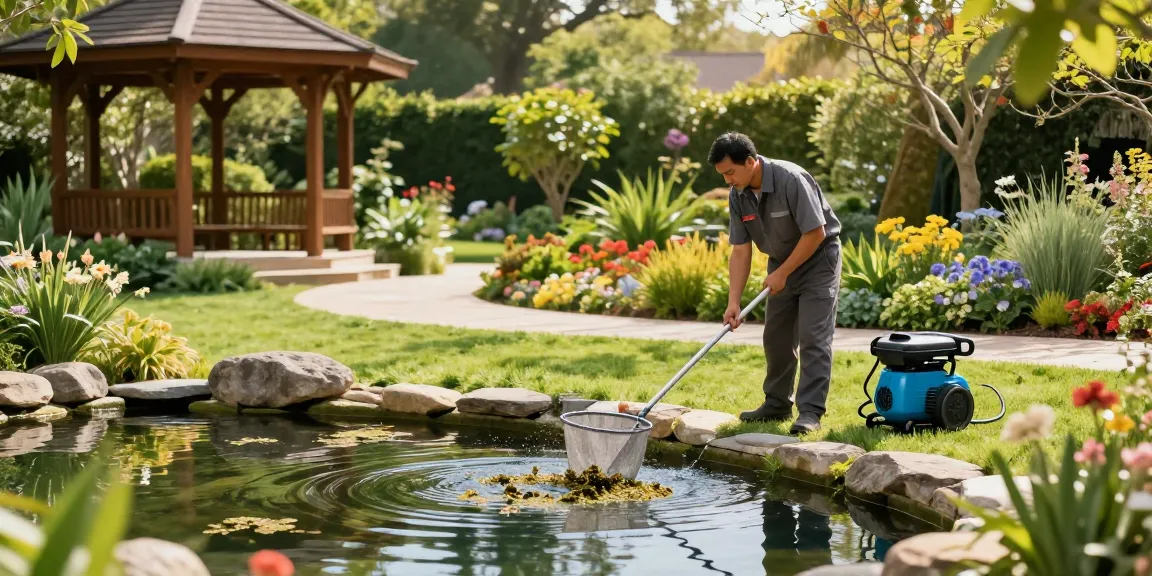
Effective removal of debris and algae requires a combination of physical and chemical methods. Manual removal via nets and rakes is often the first line of defense. For algae, using a pond vacuum or a pressure washer can yield immediate results. In some cases, introducing beneficial bacteria or enzymes can assist in breaking down organic matter.
Post-Cleaning Care: Ensuring Pond Health
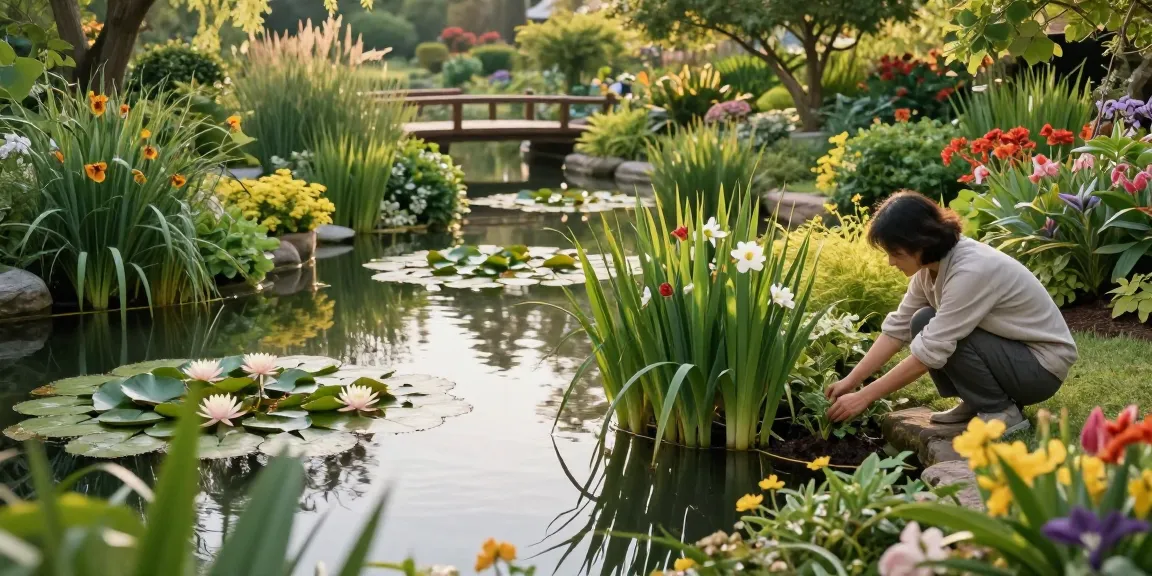
Once the cleaning process is complete, it is crucial to monitor the water quality. Testing for pH, ammonia, and nitrate levels can help ensure a balanced ecosystem. Introducing plants and oxygenating the water also helps in maintaining a healthy environment post-cleaning.
Common Challenges in Pond Maintenance
Dealing with Algae Blooms and Water Quality Issues
Algae blooms are one of the most common challenges faced by pond owners. These blooms can lead to poor oxygen levels, threatening fish and plant life. Regular monitoring and maintenance, along with the use of eco-friendly algae control measures, play critical roles in preventing these blooms.
Managing Wildlife Interactions in Your Pond
Ponds often attract a variety of wildlife, which can be both beneficial and problematic. While some species help maintain ecosystem balance, others can disrupt this harmony. Strategies for managing wildlife include creating habitats for beneficial species and utilizing barriers to keep unwanted visitors at bay.
Seasonal Considerations for Pond Care
Each season presents unique challenges for pond maintenance. In spring, debris removal is essential as new growth begins. Summer may require more frequent cleaning and inspections for algae, while autumn demands thorough leaf removal to prevent decay. Winter presents its own hurdles, such as ice formation, which can limit access and affect oxygen levels for fish.
Future Trends in Pond Cleaning Services
Innovative Techniques and Technologies for 2026
The pond care industry is evolving, with new technologies and techniques emerging that promise more efficient and effective maintenance. Advances such as automated cleaning systems and enhanced water quality monitoring sensors are becoming increasingly popular, allowing for timely interventions and improved results.
Environmental Impact and Sustainable Practices
With growing concerns about environmental sustainability, the pond cleaning industry is making strides toward eco-friendly practices. Emphasis on biodegradable cleaning products and sustainable waste disposal methods is becoming standard. This shift not only benefits the pond ecosystem but also addresses broader environmental issues.
Predictions for Pond Care Industry Growth
As the importance of green spaces and biodiversity gains recognition, the pond care industry is projected to grow. Increased urbanization and a rise in eco-consciousness are likely to drive demand for professional pond cleaning services, creating opportunities for innovation and improved service offerings in the sector.
What are the signs that my pond needs cleaning?
Signs that your pond may require cleaning include murky water, visible debris accumulation, foul odors, and excessive algae growth. Monitoring these indicators can help maintain a healthy pond ecosystem.
How often should I clean my pond?
Generally, ponds should be cleaned at least once a year, though frequency can depend on factors such as pond size, the amount of surrounding vegetation, and local wildlife interactions.
Can I clean my pond myself or should I hire a professional?
While some homeowners may choose to handle pond cleaning themselves, hiring a professional often ensures a thorough job. Professionals have the expertise and equipment necessary to tackle more complex cleaning tasks effectively.
What are the costs associated with professional pond cleaning?
Costs can vary based on pond size, location, and the extent of cleaning required. On average, homeowners can expect to pay anywhere from £150 to £500 for professional pond cleaning services.
How can I maintain my pond between cleanings?
To maintain your pond between cleanings, consider regular inspections, managing plant growth, and introducing beneficial bacteria or enzymes. Avoid overfeeding fish and ensure that the pond’s ecosystem remains balanced with proper water levels and filtration.