
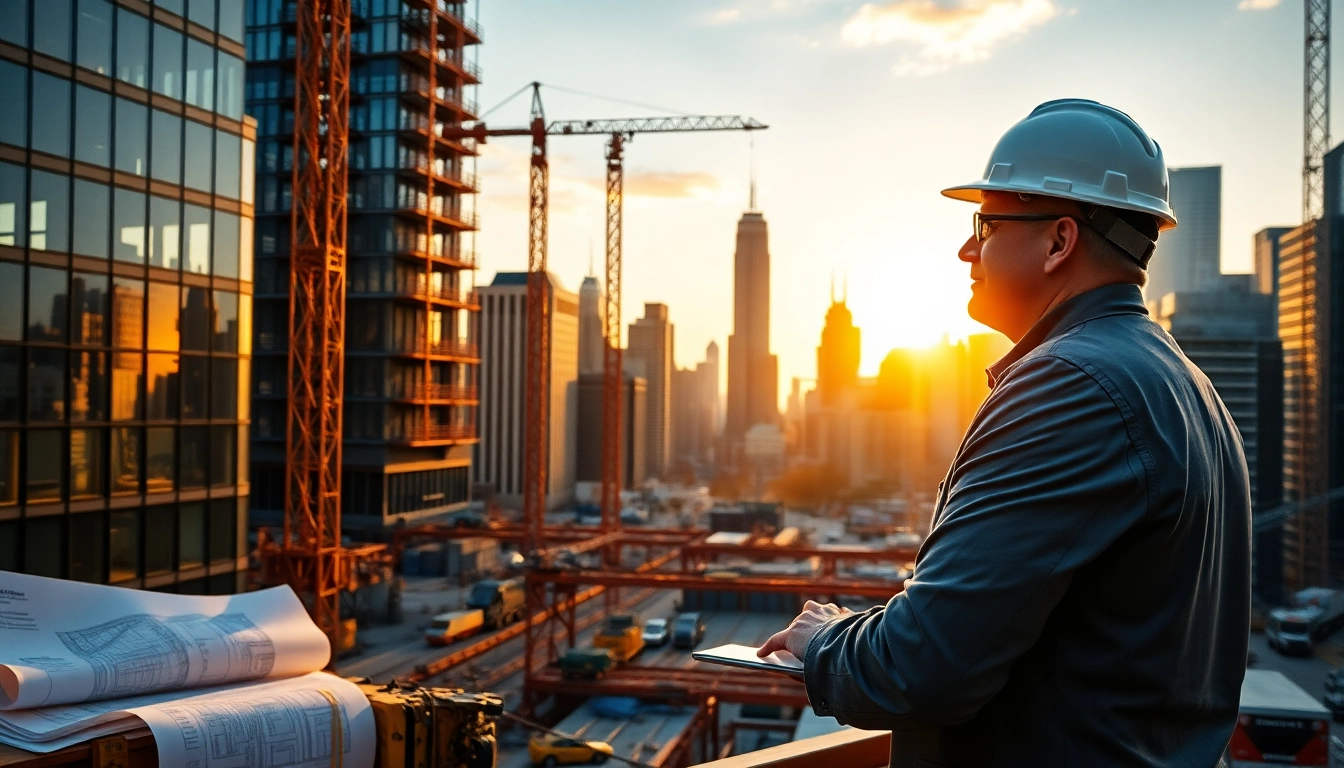
Understanding the Role of a Manhattan Construction Manager
In the bustling hub of Manhattan, construction projects are not just about building structures; they’re about creating significant value for communities, businesses, and the urban landscape. At the center of this intricate web of planning, coordination, and execution is the Manhattan Construction Manager. This professional serves as the critical link between various stakeholders, ensuring that projects are delivered on time, within budget, and to the desired quality standards.
Key Responsibilities of a Manhattan Construction Manager
The responsibilities of a Manhattan Construction Manager are multifaceted and involve a range of activities throughout the project lifecycle. Key responsibilities include:
- Project Planning: Developing comprehensive project plans that outline the scope, objectives, timeline, and budget. This includes collaborating with architects, engineers, and other professionals to ensure that all aspects of the project are addressed.
- Coordination: Serving as the primary point of contact for all stakeholders involved in the project, including clients, contractors, and subcontractors. This requires effective communication and negotiation skills to resolve conflicts and facilitate collaboration.
- Resource Management: Overseeing the allocation of resources, including labor, materials, and equipment, to ensure the project progresses according to the schedule. This involves monitoring productivity and making adjustments as needed.
- Risk Management: Identifying potential risks and developing strategies to mitigate them. This proactive approach helps to minimize disruptions and delays, ensuring that projects stay on track.
- Budget Oversight: Managing project budgets and ensuring that expenses remain within predefined limits. This involves regular financial reporting and analyzing spending trends to make informed decisions.
- Quality Assurance: Implementing quality control measures to ensure that the construction meets established standards and regulations. Regular inspections and assessments are vital in maintaining high-quality outcomes.
Skills Required for Manhattan Construction Manager Success
A successful Manhattan Construction Manager possesses a unique blend of technical and interpersonal skills. Key skills include:
- Leadership: The ability to lead diverse teams and inspire collaboration among various stakeholders is crucial for project success.
- Communication: Strong verbal and written communication skills are essential for articulating project goals, updates, and challenges to stakeholders and team members.
- Problem-Solving: The capacity to analyze complex situations, identify issues, and implement effective solutions is vital in a dynamic construction environment.
- Technical Knowledge: A solid understanding of construction processes, building codes, and industry standards enables informed decision-making and effective supervision.
- Negotiation: Proficient negotiation abilities help manage contracts and resolve disputes, ensuring that all parties are satisfied with project outcomes.
- Time Management: Prioritization and effective time management are critical in meeting deadlines and ensuring that project milestones are achieved.
How Manhattan Construction Managers Contribute to Project Success
The impact of a Manhattan Construction Manager extends beyond managing individual projects; their contributions are vital to overall project success, which is reflected in several key areas:
- Enhanced Efficiency: By streamlining communication and coordinating efforts, construction managers ensure that processes run smoothly, leading to increased efficiency.
- Quality Outcomes: Their commitment to quality control ensures that finished projects meet or exceed client expectations and adhere to industry standards.
- Financial Stewardship: By managing budgets and resources effectively, they minimize unnecessary expenses, enhancing the project’s overall financial performance.
- Risk Mitigation: Early identification and management of risks help to prevent costly delays and disruptions.
- Client Satisfaction: Through transparent communication and accountability, construction managers build strong relationships with clients, leading to high satisfaction rates and repeat business.
Choosing the Right Manhattan Construction Manager for Your Project
Selecting the right Manhattan Construction Manager is crucial for the success of any construction project. Various factors must be considered to ensure that the chosen professional aligns with the project’s specific needs and goals.
Criteria for Selecting a Manhattan Construction Manager
When evaluating candidates for the role of Manhattan Construction Manager, consider the following criteria:
- Experience: Look for a manager with a proven track record in handling similar projects, preferably within the Manhattan area, where local knowledge can be advantageous.
- Reputation: Research references and reviews from previous clients to gauge the manager’s reputation and reliability.
- Certifications: Ensure that the candidate holds relevant industry certifications, such as PMP (Project Management Professional) or LEED accreditation, which signify a commitment to professional standards.
- Project Management Skills: Assess their organizational skills and ability to manage timelines, budgets, and teams effectively.
- Communication Skills: Evaluate their interpersonal skills to ensure they can communicate clearly and effectively with all stakeholders.
Interview Questions for Prospective Manhattan Construction Managers
When interviewing potential candidates for the position of Manhattan Construction Manager, consider asking the following questions:
- Can you describe a challenging project you managed in Manhattan and how you overcame obstacles?
- What strategies do you implement to ensure communication flows smoothly among team members and stakeholders?
- How do you approach budgeting and resource allocation on your projects?
- What experience do you have with local building codes and regulations?
- Can you provide an example of how you’ve effectively managed a project delay?
The Importance of Experience in Manhattan Construction Management
Experience plays a pivotal role in the success of a Manhattan Construction Manager. Experienced managers bring a wealth of knowledge, insights, and lessons learned from past projects, enabling them to navigate complexities with ease. Additionally, their established networks can facilitate collaboration and expedite problem-solving, ultimately leading to successful project completion. Moreover, experience often translates to a better understanding of local market nuances, regulatory requirements, and stakeholder expectations, all of which are critical in Manhattan’s dynamic construction environment.
Innovative Practices in Manhattan Construction Management
Innovative practices in construction management are essential for enhancing efficiency, sustainability, and safety in an ever-evolving industry. The Manhattan Construction Manager must stay informed about emerging trends and technologies to leverage them effectively.
Adopting Technology in Manhattan Construction Management
Technology has revolutionized the construction industry, providing tools that enhance project planning, execution, and management. Key technologies include:
- Building Information Modeling (BIM): This 3D modeling software allows managers to visualize and simulate projects before construction begins, identifying potential issues early in the process.
- Project Management Software: Tools like Asana and Trello streamline task management, tracking progress and ensuring accountability.
- Drones: Drones are increasingly used for site surveys and inspections, providing a bird’s-eye view of progress and making it easier to assess compliance and pinpoint issues.
- Mobile Applications: Mobile technology allows real-time communication and data sharing among team members, regardless of location, enhancing coordination and decision-making.
Trends Shaping the Future of Manhattan Construction Management
Current trends shaping the construction landscape in Manhattan include:
- Sustainability Practices: As environmental concerns grow, there is a shift towards eco-friendly construction practices, including using sustainable materials and energy-efficient designs.
- Prefabrication and Modular Construction: These methods increase efficiency and reduce waste by constructing components offsite, then assembling them on location.
- Smart Construction: Incorporating IoT devices and technologies into construction processes enhances data collection and monitoring, leading to improved safety and efficiency.
Sustainability Practices for Manhattan Construction Managers
Sustainability is becoming a central focus for construction managers. Adopting green building practices not only benefits the environment but can also yield financial advantages and enhance the project’s appeal. Key sustainability practices include:
- Utilizing Sustainable Materials: Choosing renewable, recycled, or locally sourced materials reduces the carbon footprint of construction projects.
- Implementing Energy-Efficient Designs: Designs that prioritize natural light, insulation, and energy-efficient systems contribute to reduced energy consumption over the building’s lifespan.
- Waste Reduction Strategies: Developing waste management protocols to minimize onsite waste through recycling and efficient resource use is crucial for sustainable construction.
Challenges Faced by Manhattan Construction Managers
While being a Manhattan Construction Manager is rewarding, it comes with its own set of challenges. Understanding these challenges is essential for effective management and successful project delivery.
Common Obstacles Encountered in Construction Projects
Some common obstacles faced by Manhattan Construction Managers include:
- Budget Constraints: Navigating financial limitations while striving to meet quality standards can pose significant challenges.
- Regulatory Compliance: Adhering to local regulations and building codes, which can change frequently, requires constant vigilance and adaptability.
- Labor Shortages: Finding skilled labor in a competitive environment can lead to project delays and increased costs.
- Unforeseen Conditions: Unexpected site conditions, such as geological issues or hidden utilities, can disrupt project timelines and budgets.
Risk Management Strategies for Manhattan Construction Manager
To effectively navigate the challenges encountered in construction projects, Manhattan Construction Managers must implement robust risk management strategies, including:
- Comprehensive Planning: Developing thorough project plans that account for potential risks is vital. This includes establishing contingency plans to address unforeseen events.
- Regular Risk Assessments: Conducting ongoing assessments throughout the project lifecycle helps identify new risks and adjust strategies as necessary.
- Engaging Stakeholders: Involving stakeholders in risk management discussions fosters transparency and collective problem-solving.
How to Mitigate Delays in Manhattan Construction Projects
To mitigate delays that can hinder project progress, Manhattan Construction Managers should consider the following techniques:
- Proactive Communication: Maintaining open lines of communication with all team members and stakeholders can prevent misunderstandings that lead to delays.
- Effective Scheduling: Utilizing project management tools to develop and monitor timelines ensures that all tasks are aligned and progressing as planned.
- Supplier Coordination: Building solid relationships with suppliers and subcontractors can help ensure materials and resources are delivered on time.
The Future of Manhattan Construction Management
The future of construction management in Manhattan appears promising, characterized by innovations and evolving practices that enhance project delivery and outcomes.
Emerging Trends and What They Mean for Manhattan Construction Managers
As new technologies and practices emerge, Manhattan Construction Managers must adapt to stay competitive. Emerging trends such as robotics, artificial intelligence in project management, and advanced analytics are set to transform how projects are designed, monitored, and completed. Embracing these advancements can lead to increased efficiency, safety, and quality in construction practices.
The Evolving Role of a Manhattan Construction Manager
The role of the Manhattan Construction Manager is evolving to encompass more than just project oversight. They are becoming strategic partners who play a crucial role in defining project vision, sustainability goals, and stakeholder engagement. This transition requires continuous learning and adaptability to new industry developments.
Preparing for the Future Landscape of Manhattan Construction Management
To thrive in the future landscape of construction management, professionals need to prioritize continuous education and skill development. Staying informed about emerging technologies, industry regulations, and best practices will empower Manhattan Construction Managers to lead their projects to success, addressing the challenges and opportunities that lie ahead.

