Understanding Refrigerator Types
Refrigerators are an essential appliance in every modern kitchen, designed to keep food fresh and safe for consumption. With various styles and functionalities, selecting the right refrigerator can significantly enhance your kitchen experience. Here, we delve into different refrigerator types, their features, and how they fit into various lifestyles.
Top-Freezer Refrigerator Overview
The top-freezer refrigerator is a classic choice that has been around for decades and remains popular due to its practicality and affordability. This design features a traditional layout with the refrigeration section at the bottom and the freezer compartment on top. This layout not only maximizes frozen food storage but also maintains easy access to fresh items.
Typically, top-freezer refrigerators are energy-efficient and cost-effective, offering ample storage space without the added complexities of modern models. Many households consider these units ideal for families who prioritize function over advanced technology. They generally provide a good balance between price and features, making them a reliable choice for those on tight budgets.
Side-by-Side Refrigerator Insights
Side-by-side refrigerators feature two vertical compartments, with the freezer on one side and the refrigerator on the other, allowing for convenient access to both sections. This design is particularly advantageous for users who prefer to have items at eye level, reducing the need to bend down to retrieve frequently used food products.
Moreover, side-by-side models often come equipped with features such as ice makers, water dispensers, and digital temperature displays. These refrigerators tend to consume more energy than top-freezer models; however, they provide advanced functionalities and stylish designs, appealing to modern households that value technology.
French Door Refrigerator Features
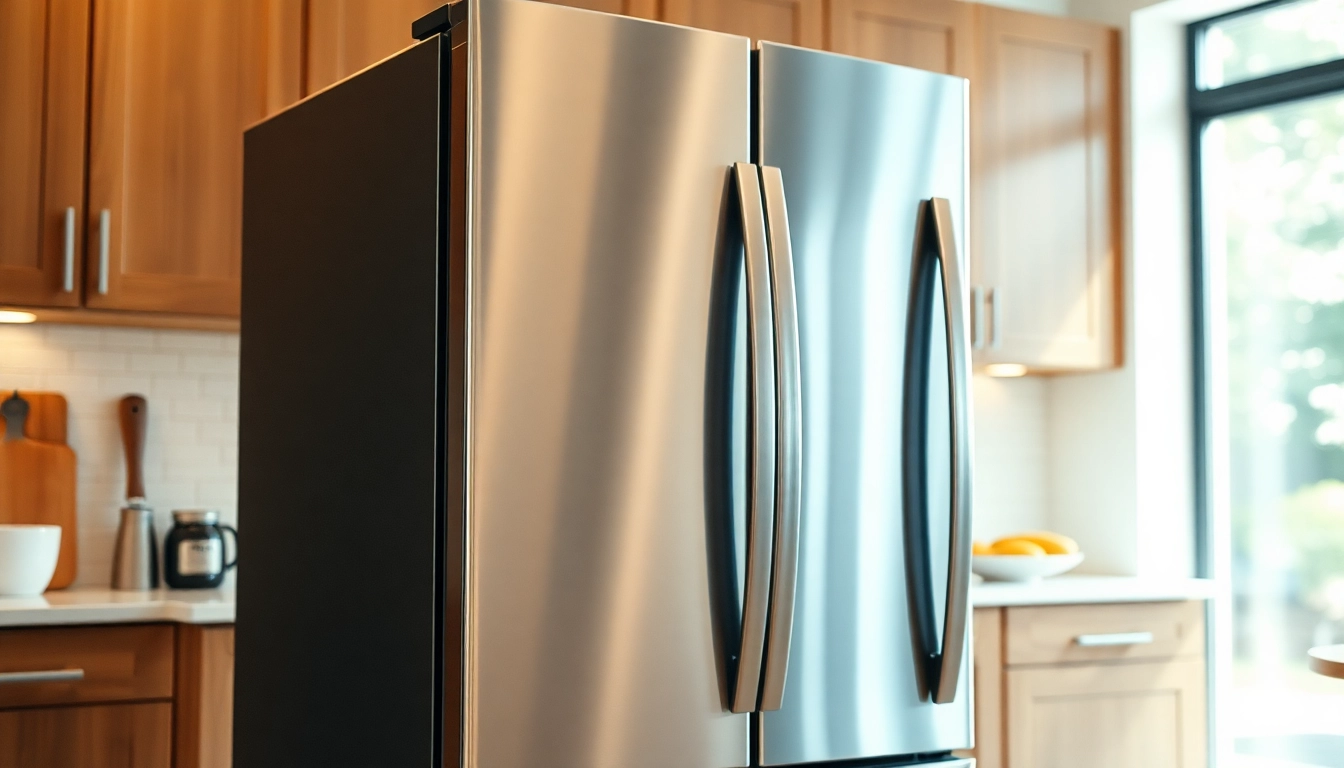
Combining elegance with functionality, French door refrigerators come with two side-by-side doors for the fridge section and a pull-out freezer drawer at the bottom. This layout maximizes fresh food storage with spacious shelves and wide compartments. Users appreciate the design’s aesthetic appeal, which fits well with contemporary kitchen designs.
One of the standout features of French door refrigerators is their flexibility. Users can arrange shelves to optimize space for taller items and configure drawers for easy access to snacks and beverages. Many units also include advanced features such as humidity-controlled drawers and smart technology that allows users to manage temperature settings from their smartphones.
Key Features to Look For in a Refrigerator
When shopping for a refrigerator, various features can enhance its functionality and efficiency. Understanding these key aspects is crucial in making an informed decision that suits your lifestyle.
Energy Efficiency Ratings Explained
Energy efficiency ratings, such as ENERGY STAR certification, indicate a refrigerator’s energy consumption over time. An energy-efficient model not only lowers your energy bills but also reduces environmental impact. When considering a purchase, review the refrigerator’s energy guide to understand its estimated annual cost of operation. The investment in an efficient model often pays off in long-term savings.
Storage Configuration Options
Storage configuration focuses on how shelves, drawers, and compartments are arranged within the appliance. Look for features like adjustable shelving that allows you to modify the layout based on your storage needs. Some refrigerators also provide specialized areas designed for fruits, vegetables, or deli items with different humidity levels, helping to maintain freshness longer.
Smart Technologies in Refrigerators
Smart refrigerators come equipped with advanced technologies allowing for enhanced convenience and monitoring. Features may include Wi-Fi connectivity, touch screens, and notifications about food expiration. Some models offer voice control and compatibility with home automation systems. These innovations can simplify grocery management and improve overall food management efficiency.
How to Measure Kitchen Space for Your Refrigerator
Before purchasing a new refrigerator, it’s crucial to measure the available kitchen space to ensure a suitable fit. Taking accurate measurements and considering various factors will help you avoid potential issues post-purchase.
Space Considerations
To measure your kitchen space effectively, use a tape measure to determine height, width, and depth. Don’t forget to factor in additional room for the refrigerator’s doors to swing open fully. If you have limited space, consider compact models that can fit into tighter spots while still providing adequate storage.
Door Swing and Accessibility
When selecting a refrigerator, think about how its door swing will affect the overall user experience. Ensure that the proposed location allows for easy access and doesn’t block cabinet doors or walls. Opt for multiple door configuration options based on your kitchen layout, including French door designs in smaller spaces.
Water Line and Electrical Connections
If your chosen refrigerator includes features such as water and ice dispensers, make certain to consider the availability of a water line. Additionally, check that electrical outlets are accessible to prevent long cable runs that may not meet safety codes. Having all connections in place simplifies installation and ensures optimal function for your refrigerator.
Buying Tips for a Refrigerator
Selecting a refrigerator involves more than just picking the right style and size. Understanding your budget, timing, and warranty options can play a pivotal role in your decision-making process.
Budget Considerations
Establishing a budget for your refrigerator purchase is critical as costs vary significantly based on size, type, and features. Determine how much you are willing to spend, and consider additional costs such as delivery fees. It often pays to invest a bit more in a model that features energy efficiency, additional storage options, and warranty coverage.
When to Buy: Seasonal Sales
Timing your purchase can yield significant savings. Retailers typically run sales during holiday weekends, end-of-season clearances, or when new models are released. Keep an eye on sales events and consider shopping during off-peak periods for the best deals.
Warranty and Service Plans
Before finalizing your purchase, investigate the warranty terms offered by the manufacturer. Warranties generally range from one to ten years but can vary based on the refrigerator’s components. Additionally, consider service plans, particularly for more complex models with advanced features, ensuring the longevity and reliability of your investment.
Maintenance Tips for Your Refrigerator
Maintaining your refrigerator is essential to ensuring its efficiency and longevity. Regular care can prevent breakdowns and extend the unit’s lifespan.
Cleaning and Care Routines
Regular cleaning and care for your refrigerator can significantly improve its efficiency. Wipe down surfaces with mild detergent, and clean the coils at least twice a year to remove dust and debris. Check the door seals for any leaks, as this can affect temperature control and energy efficiency.
Common Issues and Fixes
Many common refrigerator issues can be easily addressed. For example, if your refrigerator isn’t cooling properly, check the thermostat settings and ensure the coils are clean. If ice builds up in your freezer section, it could indicate a problem with the defrost heater. Identifying these simple fixes can save time and money.
When to Call a Professional
While many minor repairs can be handled by homeowners, some issues require professional assistance. If you experience persistent noise, refrigerant problems, or electrical issues, contacting a qualified technician is advisable. They can diagnose problems accurately and ensure safety and proper function.
FAQs
What is the average lifespan of a refrigerator?
On average, refrigerators last about 10 to 20 years, depending on their make and model, maintenance, and usage conditions. Regular cleaning and maintenance can extend their lifespan.
How much energy does a refrigerator consume?
Most refrigerators consume between 100 to 800 kWh a year, depending on size, efficiency, and model. Look for energy-efficient models to reduce costs.
How do I troubleshoot a refrigerator that won’t cool?
Check the thermostat settings, clean coils, and ensure the door seals are intact. If issues persist, there may be a refrigeration system problem requiring professional assessment.
What features make a refrigerator a good choice?
Good choices include energy efficiency, durability, and appropriate storage configurations. Smart features can also enhance functionality and convenience.
Is it worth investing in a smart refrigerator?
Investing in a smart refrigerator can be beneficial if you value technology and convenience. They offer various features like inventory tracking and remote temperature control.