The Importance of PPF Winter Road Salt Protection
As winter approaches and temperatures drop, vehicles become more susceptible to damage from harsh environmental factors. Among the most detrimental of these factors is road salt, commonly spread to combat icy conditions. Road salt may ensure safer driving conditions, but its corrosive properties can wreak havoc on your vehicle's exterior. Investing in PPF winter road salt protection is a proactive measure every car owner should consider. This article explores the impact of road salt on vehicles, the benefits of paint protection films (PPF), selecting the right type of PPF, the application process, and maintenance requirements, culminating in a comprehensive understanding of PPF's role in winter vehicle care.
Why Road Salt is Harmful to Your Vehicle
Road salt, primarily composed of sodium chloride, is effective in melting snow and ice. However, its advantages are outweighed by the potential damage it inflicts on vehicles. The corrosive nature of salt can lead to rapid deterioration of metal parts, especially those in the undercarriage, where salt can accumulate and remain trapped. This corrosion not only affects the frame but also critical components such as brake lines and exhaust systems.
Moreover, road salt can cause paint chips and scratches on the vehicle's exterior. When these chips occur, they expose the vehicle's underlying metal to moisture, generating further corrosion and rust. Over time, areas that are not treated can lead to significant repairs, reducing the vehicle's longevity and safety on the road.
Understanding Paint Protection Film (PPF)
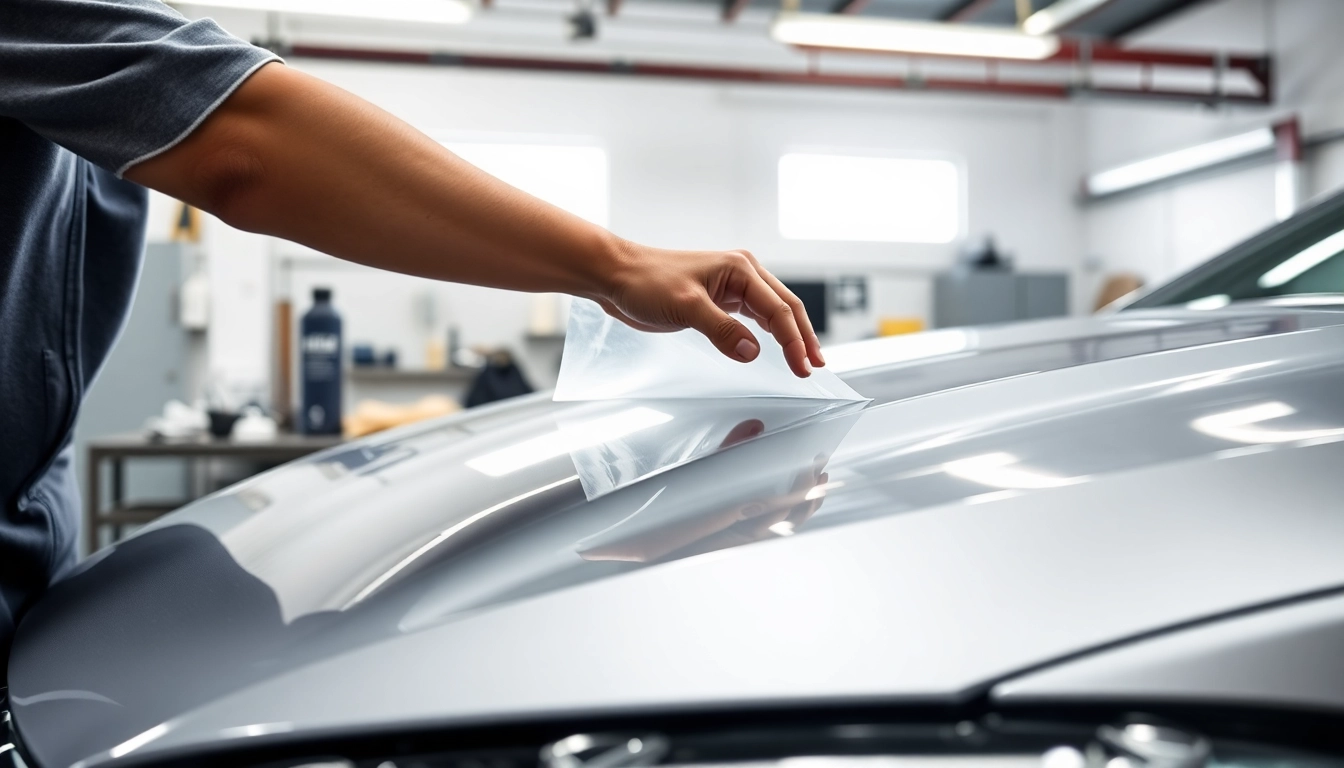
Paint protection film (PPF) is a transparent, durable layer of thermoplastic urethane applied over a vehicle's paint surface. PPF is designed to absorb impacts from road debris, resist chemicals, and prevent scratches and stains. This protective measure creates a barrier between the car’s paint and hazardous elements including road salt.
PPF can be applied to any part of the vehicle and is particularly beneficial on high-impact areas such as the hood, front fenders, side mirrors, and the front bumper. Modern PPFs come with self-healing properties, allowing minor scratches to disappear over time when exposed to heat, thereby maintaining your vehicle's pristine appearance.
How PPF Protects Against Winter Elements
The protective qualities of PPF shine particularly in winter conditions. Once applied, PPF acts as a shield against the corrosive effects of road salt. This film not only defends against moisture and impurities but also prevents chemical reactions that typically lead to corrosion.
Additionally, PPF provides a slick surface that makes it more difficult for winter grime, including salt, to cling to the paint, simplifying the cleaning process. Regular washing becomes less labor-intensive, and the need for repainting or extensive repairs is significantly minimized. Additionally, the transparent nature of PPF ensures that your vehicle's aesthetics are preserved while benefiting from this protective barrier.
Selecting the Right Type of PPF
Types of Paint Protection Films Available
There are various types of paint protection films available on the market, and selecting the right one is crucial for optimal performance. The main categories include:
- Standard PPF: Ideal for basic protection against scratches and environmental contaminants.
- Self-Healing PPF: Contains special properties that allow minor scratches to heal with exposure to heat.
- Matte PPF: Designed for vehicles with a matte finish, offering protection without altering the aesthetic.
- Clear PPF: Transparent and designed for gloss finishes, providing protection while maintaining shine.
Factors to Consider When Choosing PPF
When selecting PPF, consider the following factors:
- Durability: Choose a film with proven longevity to withstand harsh winter conditions.
- Thickness: Thicker films offer better protection against impacts and scratches.
- Warranty: A reputable PPF provider should offer a warranty that guarantees the performance and durability of the film.
- Cost: Balance your budget with the benefits offered by different films; higher quality may require a higher investment upfront but can save money on repairs later.
Cost vs. Long-term Benefits of PPF
While the initial cost of applying PPF may seem steep, it’s critical to consider the long-term benefits. The costs associated with repainting, rust repairs, and other damages caused by road salt can accumulate significantly over time. PPF serves as a preventative measure, thereby reducing the need for costly repairs. In addition, maintaining the vehicle's aesthetic value through a protective film can enhance resale value, making the investment in PPF a shrewd financial decision.
Application Process for PPF Winter Road Salt Protection
Preparing Your Vehicle for PPF Application
Preparation is key to a successful PPF installation. Begin by thoroughly washing and inspecting your vehicle for existing damage. Any scratches, chips, or dings should be repaired prior to applying PPF to ensure that the film adheres correctly and no further damage occurs. Use a clay bar to eliminate contaminants from the surface, ensuring the paint is clean and smooth.
Once the vehicle is clean, work in a shaded or garage area to prevent dust and debris from settling on the freshly cleaned surface, ensuring ideal conditions for PPF application.
Step-by-Step Guide to Applying PPF
- Measure the Area: Accurately measure the sections of the vehicle you wish to cover with PPF.
- Cut the Film: Cut the PPF to size, allowing for a generous margin on all edges to ensure complete coverage.
- Wet Application: Use a mixture of water and a mild soap solution to moisten the area where the film will be applied. This helps manipulate the film during placement.
- Position the Film: Carefully place the film on the vehicle’s surface, smoothing out any air bubbles as you go.
- Dry and Set: Allow the film to set and dry completely, which could take anywhere from 24 to 48 hours depending on environmental conditions.
Common Mistakes to Avoid During Application
While applying PPF can be straightforward, there are common pitfalls to avoid:
- Skipping Paint Repair: Applying PPF over damaged paint can lead to severe issues later.
- Ignoring Dust and Contaminants: Failing to prep the surface leaves the door open for imperfections in the application.
- Rushing the Drying Process: Proper curing time is crucial for ensuring the film performs as intended.
Maintenance for Long-lasting PPF Performance
How to Care for Your PPF
Maintaining your PPF is essential for ensuring its longevity and effectiveness. Regular washing with gentle car soap and a microfiber cloth will help keep the film looking new while removing any salt or debris. Avoid automatic car washes that may use harsh brushes or chemicals that can degrade the film's surface.
Regular Inspections and Touch-ups
Regularly inspect the film for signs of wear, peeling edges, or discoloration. Addressing these issues promptly can prevent more extensive damage down the road. If small areas experience damage, professional touch-ups can restore the film without the need for complete reapplication.
When to Reapply or Replace PPF
While PPFs are designed for longevity, it may be necessary to replace them after several years or when physical signs of wear and damage are evident. Most high-quality films can last anywhere from five to ten years, depending on conditions and maintenance. If the film begins to yellow, bubble, or peel dramatically, it’s time for replacement to maintain protection and aesthetics.
Frequently Asked Questions About PPF Winter Road Salt Protection
What is the lifespan of paint protection film?
PPF typically lasts between five to ten years, depending on conditions and maintenance for optimal performance over time.
Can PPF be removed without damaging the car?
Yes, PPF can be carefully removed without damaging the paint, ideally performed by a professional to ensure no residue remains.
Will PPF affect the car's resale value?
PPF enhances the car's resale value by keeping the paint in pristine condition, protecting against damage and wear over time.
How does PPF perform against scratches?
PPF is highly effective at resisting scratches and, with self-healing properties, can recover from minor surface damage over time.
Is PPF suitable for all vehicle types?
Yes, PPF can be applied to all vehicle types, providing protection and aesthetic enhancement for cars, trucks, and SUVs alike.