
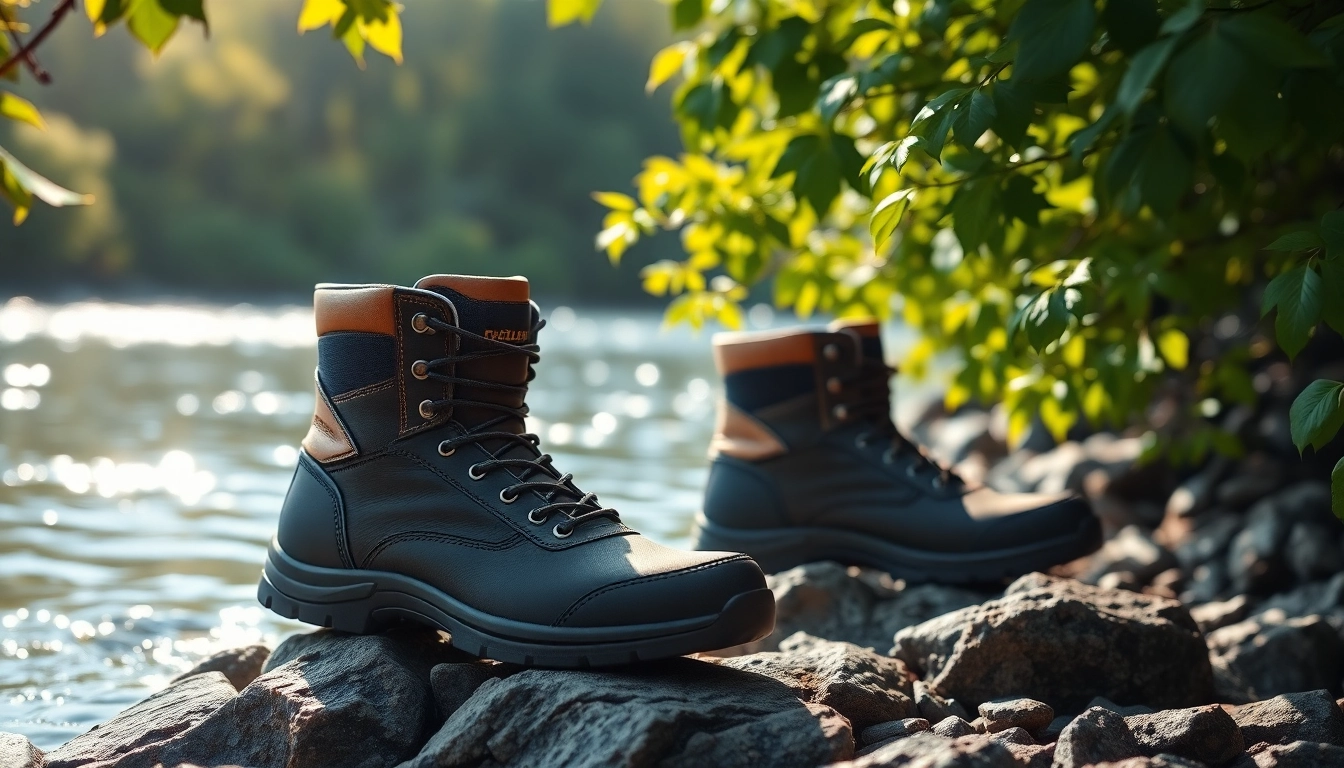
Understanding Fly Fishing Boots
What are Fly Fishing Boots?
Fly fishing boots are specialized footwear designed to provide comfort, support, and safety for anglers navigating through various water conditions. Unlike regular hiking or outdoor boots, these boots feature unique designs and materials tailored to withstand wet environments. They are essential for wading through streams, rivers, and other bodies of water where fish are often found. Fly fishing boots come in various styles and technologies, ensuring that anglers can select footwear that matches their needs and preferences. For optimal performance and comfort, it’s crucial to choose the right pair of Fly fishing boots.
Key Features of Fly Fishing Boots
High-quality fly fishing boots are equipped with various features that enhance functionality and comfort during fishing excursions. Some of these features include:
- Waterproof Materials: Most fly fishing boots are made from waterproof materials to keep your feet dry, ensuring comfort even in the wettest conditions.
- Traction: Specialized soles provide excellent grip on slippery rocks and surfaces, reducing the risk of slips and falls.
- Supportive Design: Many fly fishing boots offer ankle support to prevent injuries and provide additional stability while wading.
- Breathability: Certain models feature breathable fabrics to ensure airflow, keeping your feet cool and reducing moisture buildup.
- Quick-drying: Opt for boots made from materials that dry quickly to ensure you’re comfortable throughout your outing.
Different Types of Fly Fishing Boots
Understanding the different types of fly fishing boots is essential for making an informed choice. Here are some types to consider:
- Wading Boots: These boots come in either felt or rubber soles, designed specifically for walking in water. Felt soles offer superior grip on slippery surfaces, while rubber soles provide better traction on dry land.
- Lightweight Boots: Ideal for casual anglers or those fishing in shallow waters, lightweight boots prioritize comfort and flexibility.
- Insulated Boots: For cold weather fishing, insulated boots help keep your feet warm while maintaining function in icy waters.
- Boot Foot Waders: These combine the functionality of waders with built-in boots, providing a seamless option for deeper waters.
Benefits of High-Quality Fly Fishing Boots
Enhanced Comfort and Support
Comfort is paramount when spending long hours on the water. High-quality fly fishing boots are designed with ample cushioning and ergonomic support tailored for standing and walking in challenging conditions. Features like padded insoles and supportive ankle collars play a significant role in reducing fatigue and discomfort during fishing outings. This ensures that anglers remain focused on their catch rather than their aching feet.
Durability in Varied Conditions
Durability is a critical consideration for fly fishing boots, especially when exposed to rough terrains and waters. Boots made from high-quality materials resist abrasions and wear, significantly extending their lifespan. The ability to withstand diverse weather conditions—from hot sun to icy winds—ensures that anglers can rely on their boots for many adventures to come.
Improved Traction and Safety
Slippery riverbeds and rocky terrains can pose safety risks while fly fishing. Quality fly fishing boots offer specialized outsoles designed to provide optimal grip on wet and uneven surfaces. This enhanced traction reduces the likelihood of slips and falls, allowing anglers to navigate tricky spots confidently. Ensuring your safety while pursuing your passion is crucial, and choosing the right boots can make all the difference.
How to Select the Perfect Fly Fishing Boots
Size and Fit Considerations
Choosing the correct size and fit for your fly fishing boots is vital. An ideal fit should allow some wiggle room for your toes while ensuring a snug heel fit to prevent blisters. Consider trying on different styles and sizes, ideally with the socks you plan to wear for fishing. Remember that boots may require break-in time, so factor that into your planning.
Sole Material Options
Fly fishing boots come with different sole materials: primarily rubber or felt. Rubber soles provide excellent traction on dry surfaces, making them ideal for mixed hiking and fishing. Conversely, felt soles are renowned for gripping wet, slippery rocks but may not perform as well on dry land. Consider the primary environments you will be fishing in to select the most suitable sole type.
Budget vs. Quality
While budget is always a factor, prioritizing quality over the lowest price could pay off in the long run. Higher-quality boots often come with better construction, materials, and features. Consider your fishing frequency and conditions: a solid investment in quality boots can enhance your overall fishing experience and provide greater durability.
Maintenance Tips for Fly Fishing Boots
Cleaning and Care
To prolong the life of your fly fishing boots, proper cleaning and maintenance are essential. After each use, rinse your boots with fresh water to remove dirt, mud, and debris. Allow them to dry completely, away from direct sunlight, which can cause materials to crack over time. Using a mild soap on more fibrous materials can help break down built-up grime, ensuring they stay clean and functional.
Long-Term Storage Tips
When not in use, store your boots in a cool, dry place with adequate ventilation. Avoid storing them in damp areas, as this can lead to mold and odors. Consider using boot trees or stuffing them with newspaper to help maintain their shape during storage and promote airflow.
Common Repairs to Consider
If your boots develop minor issues, many can be easily repaired. Replacing laces, utilizing waterproofing sprays, and fixing any seams can extend the life of your boots. For more significant damages, seeking a professional repair service may be necessary to ensure your boots remain functional and safe.
FAQs About Fly Fishing Boots
What should I look for when buying Fly fishing boots?
Look for waterproof materials, optimal traction, comfort, and support features, as well as proper sizing. Choosing the right sole material based on your typical fishing conditions is also crucial.
Are rubber or felt soles better for Fly fishing boots?
Rubber soles offer better traction on dry surfaces, while felt soles excel in wet conditions. Choosing depends on your fishing environment; felt is great for slippery riverbeds, while rubber suits varied terrains.
How do I know the right size for Fly fishing boots?
Try on boots with the socks you’ll wear for fishing. Ensure there’s enough space for your toes, but a snug heel fit. Walking around in the boots can help determine comfort and fit quality.
Can I wear Fly fishing boots for other activities?
While primarily designed for angling, they can be used for other water activities like kayaking or casual hikes. However, their specialized features may not suit all outdoor activities.
What is the average lifespan of Fly fishing boots?
The lifespan varies based on usage and maintenance but generally ranges from 3 to 5 years. Proper care and occasional repairs can extend their functionality significantly.
