
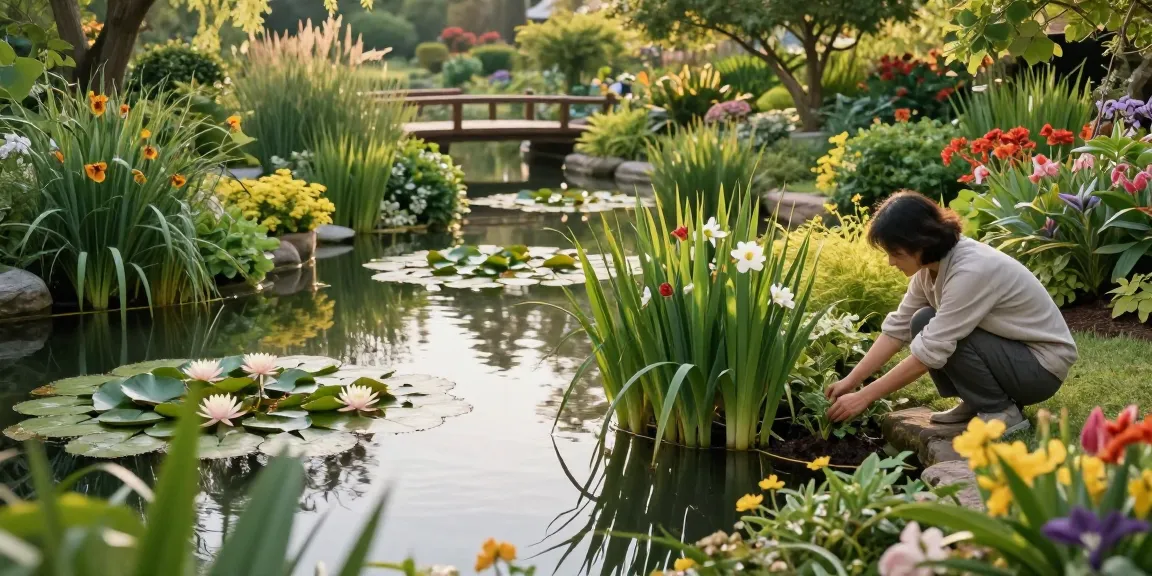
Understanding Pond Plants: Types and Variations
Pond plants play a crucial role in the ecosystem of any water garden, enhancing both the aesthetic appeal and the health of the aquatic environment. These plants are not only a stunning addition to your landscape but also provide essential benefits like oxygenation, habitat for wildlife, and filtration of water. When exploring options, Pond Plants offer a vast array of choices for enthusiasts and gardeners alike.
What Are Pond Plants?
Pond plants, also known as aquatic plants, are species that have adapted to live in water, either partially or completely submerged. They can range from floating plants like water lilies to emergent species that grow along the edges of ponds. These plants are classified into various categories based on their growth habits and habitat preferences.
Key Categories of Pond Plants
Pond plants can be broadly categorized into the following types:
- Floating Plants: These plants float on the water surface, such as duckweed and water lettuce, and require no rooting in the substrate.
- Submerged Plants: These plants are entirely underwater, like eelgrass and hornwort, and are vital for oxygenation and providing habitat for fish.
- Emergent Plants: These plants grow with their roots in the water and their stems and leaves above the surface, including cattails and irises, and are essential for shoreline stabilization.
- Marginal Plants: Located at the water’s edge, marginal plants like sedges and grasses help with erosion control and provide habitats for various wildlife.
Native vs. Exotic Pond Plants
When selecting pond plants, gardeners often face the choice between native and exotic species. Native plants are those that naturally occur in a particular region, while exotic plants are non-indigenous species introduced from other areas. Native plants tend to offer better support for local wildlife and may require less maintenance. Conversely, exotic plants can introduce vibrant colors and unique shapes, but they may also pose risks of invasiveness.
Benefits of Incorporating Pond Plants in Your Garden
Environmental Advantages of Pond Plants
Pond plants contribute significantly to the health of aquatic ecosystems. They help to control algae growth by absorbing nutrients from the water, thereby improving water clarity. Furthermore, they provide oxygen through photosynthesis and create habitats for various species, including fish, amphibians, and insects.
Aesthetic Appeal and Design Tips
Integrating pond plants into your landscape can enhance visual intrigue and create a serene environment. To achieve a harmonious look, consider the following design tips:
- Diversity: Use a mix of different types of plants to create layers and depth.
- Color Coordination: Choose plants that complement your garden’s color scheme, making sure to include various flowering species.
- Height Variation: Mix taller emergent plants with shorter floating species to create an engaging visual balance.
Enhancing Wildlife Habitats with Pond Plants
Pond plants serve as vital habitats for a variety of wildlife. They provide cover for fish to hide from predators, offer breeding grounds for amphibians, and attract beneficial insects such as pollinators. A well-planted pond can support a rich biodiversity that contributes to a thriving ecosystem.
Best Practices for Maintaining Healthy Pond Plants
Seasonal Care Guidelines for Pond Plants
Maintaining pond plants requires attention throughout the seasons. In spring, focus on planting and fertilizing new additions. Summer requires regular monitoring for pests and water quality. In fall, it’s important to trim back dead foliage and prepare the pond for winter. During winter, ensure that submerged plants remain healthy and are not disturbed by ice formation.
Pest Control and Disease Management
Pond plants can be susceptible to pests such as aphids and snails, as well as diseases like root rot. Regular inspections and prompt action can help manage these issues. Using organic pest control methods, such as introducing beneficial insects, can also be effective.
Optimal Planting Techniques for Success
When planting pond plants, ensure to follow these best practices:
- Choose the Right Depth: Different plants thrive at varying water depths—make sure to plant accordingly.
- Use Quality Substrates: A good aquatic planting medium will provide the necessary nutrients and support healthy root development.
- Space Appropriately: Allow enough space between plants to prevent overcrowding and ensure air circulation.
Common Challenges with Pond Plants
How to Handle Algae and Other Invasive Species
Algae blooms can quickly overtake a pond, often due to excess nutrients and inadequate plant life. To combat this, regularly monitor nutrient levels and introduce more aquatic plants to shade the water and compete with algae for resources. If invasive species do establish, they may need to be removed manually or treated with specific herbicides designed for aquatic environments.
Combatting Nutrient Deficiencies
Pond plants can sometimes exhibit signs of nutrient deficiencies, such as yellowing leaves or stunted growth. Regular water testing can identify these issues early. Supplementing the water with appropriate fertilizers, specifically formulated for aquatic plants, can help restore health and vigor.
Water Quality Management for Healthy Pond Plants
Maintaining proper water quality is essential for the overall health of pond plants. Monitor parameters such as pH, dissolved oxygen, and nutrient levels regularly. Adequate aeration and filtration will help support a balanced ecosystem, allowing plants to thrive.
Future Trends in Pond Plants for 2026 and Beyond
Innovative Landscaping Solutions
As interest in sustainable gardening grows, innovative landscaping solutions featuring pond plants are emerging. People are exploring designs that incorporate biofiltration systems using aquatic plants to naturally purify water, transforming traditional ponds into eco-friendly features.
Predicted Changes in Pond Plant Varietals
With advancements in horticulture, we can expect to see new bred varieties of pond plants that are more disease-resistant, offer vibrant colors, and require less maintenance. This is particularly relevant for gardeners aiming for both beauty and sustainability.
Impact of Climate Change on Pond Plant Choices
Climate change will likely impact the types of pond plants that thrive in certain regions. Gardens will need to adapt by selecting species resilient to changing temperature and precipitation patterns. Water-efficient plants will become increasingly important as conservation efforts are emphasized.
What Makes Pond Plants Ideal for Modern Gardens?
Pond plants exemplify sustainability in modern gardens, providing natural filtration, oxygenation, and habitats for wildlife. Their ability to enhance biodiversity while contributing to an aesthetically pleasing landscape makes them a perfect choice for eco-conscious gardeners.
Which Pond Plants Are Best for Local Climate?
Choosing the right pond plants depends heavily on your local climate. Research native species that thrive in your area; these plants can provide better support for local ecosystems and require less maintenance compared to exotic varieties.
How to Select the Right Pond Plants for Your Landscape?
When selecting pond plants, consider the size and depth of your pond, sunlight exposure, and your aesthetic preferences. Local garden centers often offer advice tailored to your specific region, ensuring you choose plants that will flourish.
Can Pond Plants Help Reduce Water Usage?
Yes, well-planned pond plants can play a significant role in water conservation. By creating a balanced ecosystem, they can help maintain water clarity and reduce evaporation through increased shade and humidity around the pond area.
Are There Maintenance-Free Pond Plants?
While no pond plants are entirely maintenance-free, some species require minimal care once established. Look for hardy native plants that naturally thrive in local conditions and can withstand various environmental stresses.
What Is the Best Time to Plant Pond Plants?
The optimal time to plant pond plants is in early spring when water temperatures begin to rise. This allows plants to establish roots before the heat of summer, promoting healthy growth and vibrant blooms.

