
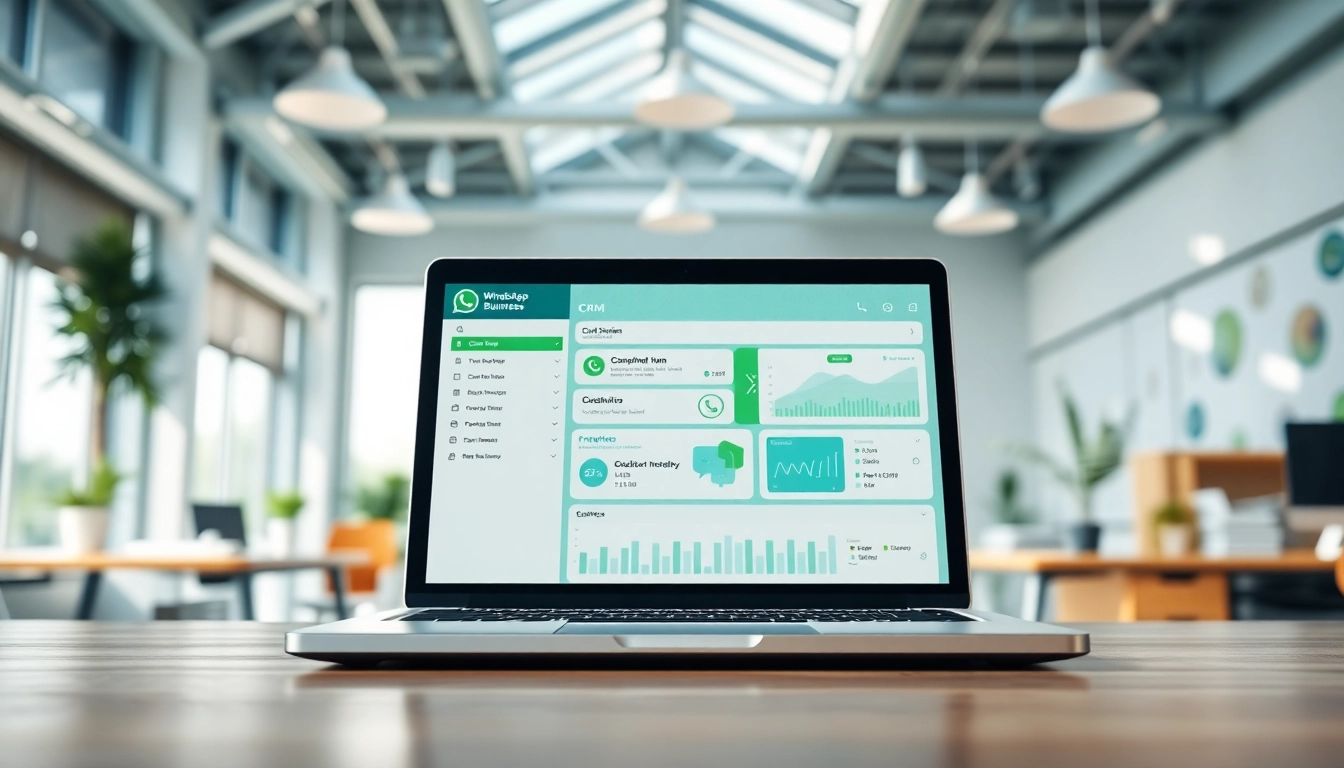
Understanding WhatsApp Business CRM: A Comprehensive Overview
Defining WhatsApp Business CRM and Its Importance
The rapid growth of instant messaging applications has transformed the communication landscape, making it essential for businesses to adapt. Among these applications, WhatsApp stands out as a dominant force, particularly in customer engagement. The WhatsApp Business CRM is a pivotal tool that businesses can leverage to enhance their customer relationship management by integrating WhatsApp’s capabilities with traditional CRM functionalities. By facilitating seamless communication, managing customer interactions, and analyzing data, WhatsApp Business CRM empowers businesses to foster stronger customer relationships and improve service delivery.
Key Features of WhatsApp Business CRM
WhatsApp Business CRM embodies several key features that amplify its utility for businesses:
- Automated Messaging: The CRM enables businesses to set up automated replies for frequently asked questions, ensuring prompt responses even outside business hours.
- Customer Segmentation: Users can segment customers based on various parameters such as behavior, demographics, and purchase history, allowing for tailored marketing strategies.
- Integration with Existing Systems: WhatsApp Business CRM can integrate with existing CRM software, consolidating customer data for a unified approach to communication.
- Analytics and Reporting: The CRM provides analytics to track message delivery rates, response times, and customer engagement, enabling businesses to adapt their strategies based on real-time data.
- Broadcast Lists: This feature allows businesses to send messages to multiple contacts simultaneously, which is essential for promotions and announcements.
Exploring Integration Capabilities with WhatsApp Business CRM
Integration capabilities are significant when considering a WhatsApp Business CRM solution. This functionality permits the synchronization of data between various platforms, making it easier for businesses to maintain accurate and up-to-date customer records. Popular integrations include:
- API Integration: Businesses can use APIs to connect their existing CRM systems directly with WhatsApp, facilitating real-time data exchange.
- Chatbot Functionality: Integrating chatbots allows for enhanced customer service, providing automated responses to common inquiries and freeing up human agents for more complex interactions.
- E-commerce Integration: For retail businesses, integrating e-commerce platforms helps in managing orders and customer inquiries through WhatsApp seamlessly.
Benefits of Implementing WhatsApp Business CRM for Businesses
Improving Customer Engagement through WhatsApp Business CRM
Effective customer engagement is essential for fostering loyalty and achieving long-term business success. WhatsApp Business CRM enhances customer interaction through real-time messaging, allowing swift responses to queries and fostering a dialogue between the business and its customers. The result is an enriched customer experience characterized by:
- Personalized Communication: Customers appreciate personalized messages that address their specific needs and preferences, making them feel valued.
- Increased Responsiveness: With instant messaging capabilities, businesses can significantly reduce response times, benefiting customer satisfaction rates.
- Feedback Collection: The CRM facilitates easy collection of customer feedback through surveys or direct messages, helping businesses to evolve their services based on customer input.
Streamlining Communication Processes with WhatsApp Business CRM
By adopting the WhatsApp Business CRM, organizations can seamlessly streamline their internal and external communication processes. Key improvements include:
- Centralized Communication: All conversations can be stored in one place, providing context about customer interactions and eliminating information silos.
- Task Automation: Automating routine tasks such as appointment confirmations and follow-ups reduces workload on employees and increases efficiency.
- Integration with Collaboration Tools: Connecting with team collaboration tools ensures that all departments have access to customer information, fostering a united response to clients.
Performance Metrics and Success Stories Using WhatsApp Business CRM
Demonstrating the impact of WhatsApp Business CRM can be achieved through various performance metrics:
- Response Time Reduction: Companies often report a significant decrease in response times due to automated messaging features.
- Increased Customer Retention Rates: Enhanced communication and personalized engagement frequently lead to higher retention rates as customers feel more connected to businesses.
- Case Studies: Successful implementations reveal increased sales conversions when businesses leverage WhatsApp for both customer service and marketing campaigns.
Challenges in Adopting WhatsApp Business CRM
Common Pitfalls to Avoid When Implementing WhatsApp Business CRM
While the benefits are substantial, businesses must navigate several challenges during the installation of WhatsApp Business CRM:
- Over-Automation: Creating a balance between automated responses and human interaction is essential. Relying too heavily on automation can reduce the personal touch that customers value.
- Inadequate Training: Employees should receive training on system features and effective communication techniques to utilize the CRM to its fullest potential.
- Neglecting Customer Preferences: It’s important to allow customers to opt-out of communication streams, respecting their preferences and privacy.
Addressing Data Security Concerns with WhatsApp Business CRM
Data security is a paramount concern for businesses engaging in digital communication. To reinforce security measures while using WhatsApp Business CRM, organizations should:
- Implement Encryption: Utilizing end-to-end encryption protects conversations between businesses and customers from unauthorized access.
- Regular Security Audits: Conducting periodic security assessments ensures that vulnerabilities are identified and addressed promptly.
- Establishing Data Policies: Implementing clear data management and retention policies helps in safeguarding customer information and ensuring compliance with regulations.
Overcoming Resistance to Change Within Teams Using WhatsApp Business CRM
Adapting to new technology can often meet with resistance from team members. To mitigate this, consider the following strategies:
- Involve Team Members Early: Engaging employees in the selection and implementation process can foster a sense of ownership and reduce resistance.
- Highlight Benefits: Clearly communicate the advantages of using the WhatsApp Business CRM, emphasizing how it can alleviate workloads and enhance customer interactions.
- Provide Continuous Support: Offering ongoing support and resources can help teams adjust to new systems, ensuring they feel confident in using the platform.
Best Practices for Effective Use of WhatsApp Business CRM
Customizing the WhatsApp Business CRM Experience
Customization is key in aligning WhatsApp Business CRM with business needs:
- Branding Messaging: Tailoring automated responses and chat interfaces to reflect brand voice can boost customer recognition and trust.
- Utilizing Tags and Labels: Organizing contacts with tags and labels enhances searchability and ensures messages reach the right audience.
- Custom Welcome Messages: Personalized greetings can set the tone for customer interactions, making clients feel appreciated from the first point of contact.
Training Staff on WhatsApp Business CRM Features
Investing in comprehensive training programs empowers employees to effectively utilize the WhatsApp Business CRM:
- Interactive Workshops: Hands-on training sessions cultivate familiarity with features and best practices, enhancing employee confidence.
- Continuous Learning Resources: Providing access to resources like tutorials and documentation can help team members stay up-to-date with evolving features.
- Encouraging Knowledge Sharing: Fostering an environment where users can share insights and success stories can enhance overall team proficiency.
Utilizing Analytics for Improved Strategies with WhatsApp Business CRM
Data-driven decision-making is vital for refining customer engagement strategies. By leveraging analytics, businesses can:
- Monitor Engagement Rates: Identifying which types of messages receive the best responses allows for fine-tuning of marketing strategies.
- Track Customer Journey: Understanding the path customers take can highlight potential bottlenecks and enhance user experience.
- Conduct A/B Testing: Experimenting with different messaging formats can reveal insights about customer preferences, enabling better-informed strategies.
The Future of Customer Management with WhatsApp Business CRM
Emerging Trends in CRM Technology Relevant to WhatsApp Business CRM
The CRM landscape is ever-evolving, and several trends are shaping the future of customer management through platforms like WhatsApp:
- AI and Machine Learning: Integrating AI can automate responses even further, providing customers with immediate solutions based on their past interactions.
- Omni-channel Strategies: Consumers expect seamless experiences across multiple channels, making integrated communication essential for successful customer management.
- Heightened Focus on Personalization: Businesses are increasingly employing data analytics to deliver hyper-personalized experiences that resonate with individual customer preferences.
Forecasting Consumer Interaction Patterns with WhatsApp Business CRM
As consumer behavior continues to evolve, businesses must adapt to new interaction patterns:
- Real-time Communication Preferences: Customers are gravitating towards immediate responses, reinforcing the necessity for businesses to commit to fast communication strategies.
- Shift Towards Visual Messaging: Incorporating images, videos, and graphics into messaging can enhance engagements as consumers increasingly prefer visually-driven communication.
- Emphasis on Community Engagement: Consumers seek connectivity, making collaborative communication through community-driven messaging more prominent in customer relations.
Preparing Your Business for Shifts in Communication Strategies via WhatsApp Business CRM
To successfully navigate these shifts, businesses must proactively prepare for changes by adopting flexible strategies:
- Continuous Learning: Stay updated on industry trends and consumer behaviors to effectively adjust communication strategies.
- Feedback Loops: Encourage customer feedback to refine methods and remain positive in customer interactions.
- Scalability in Systems: Ensure that your CRM infrastructure is scalable, allowing for adjustments as business needs grow or change.

